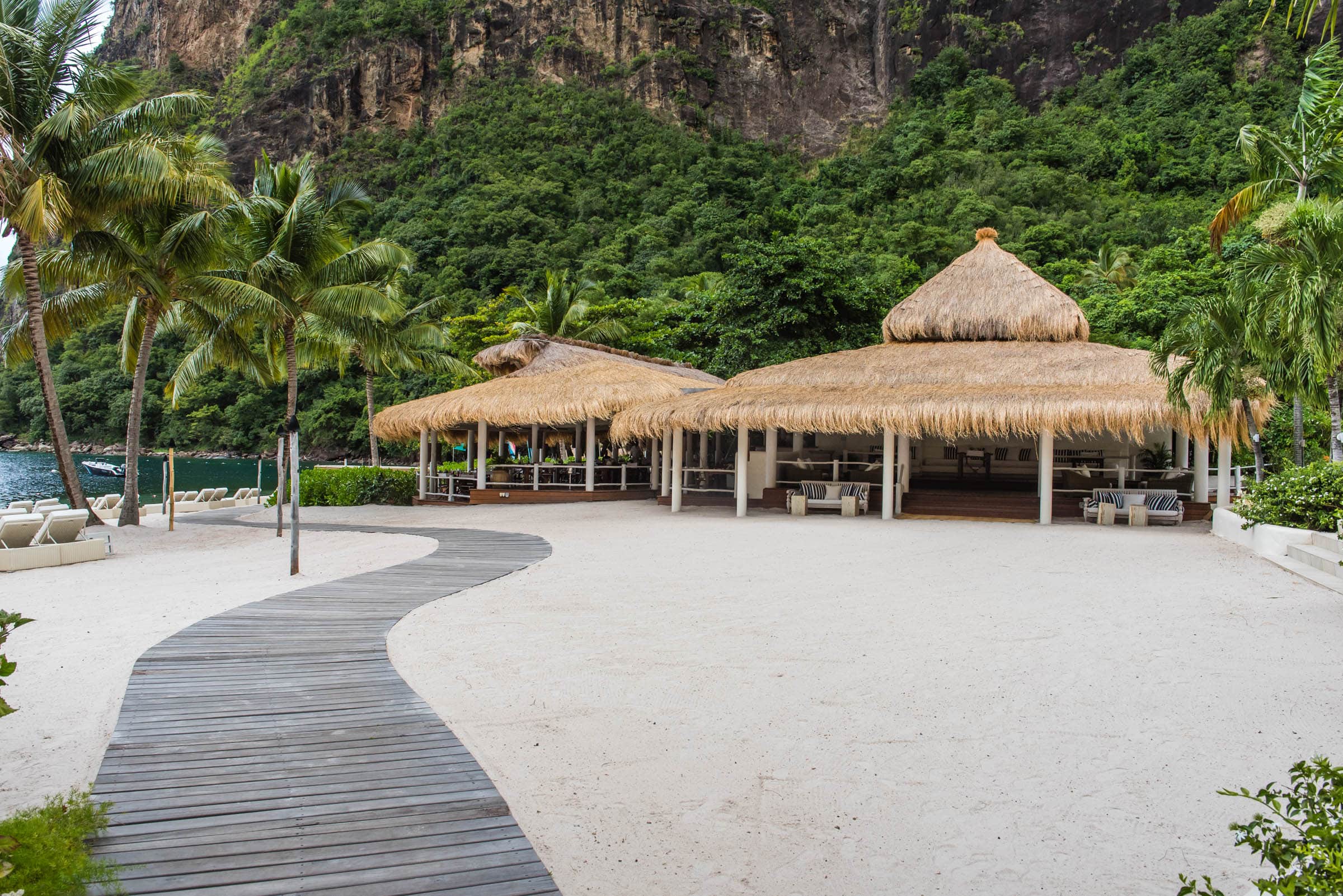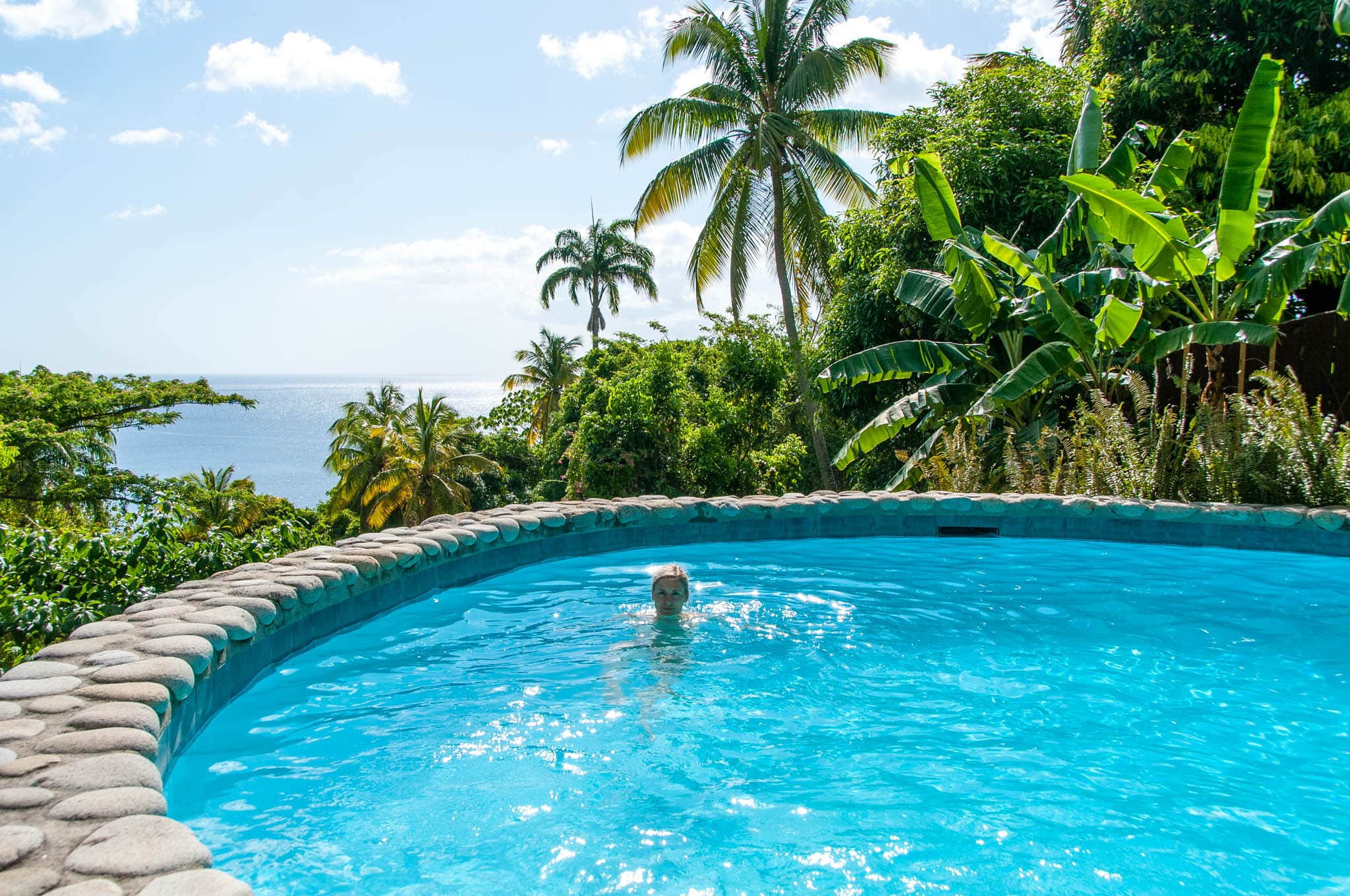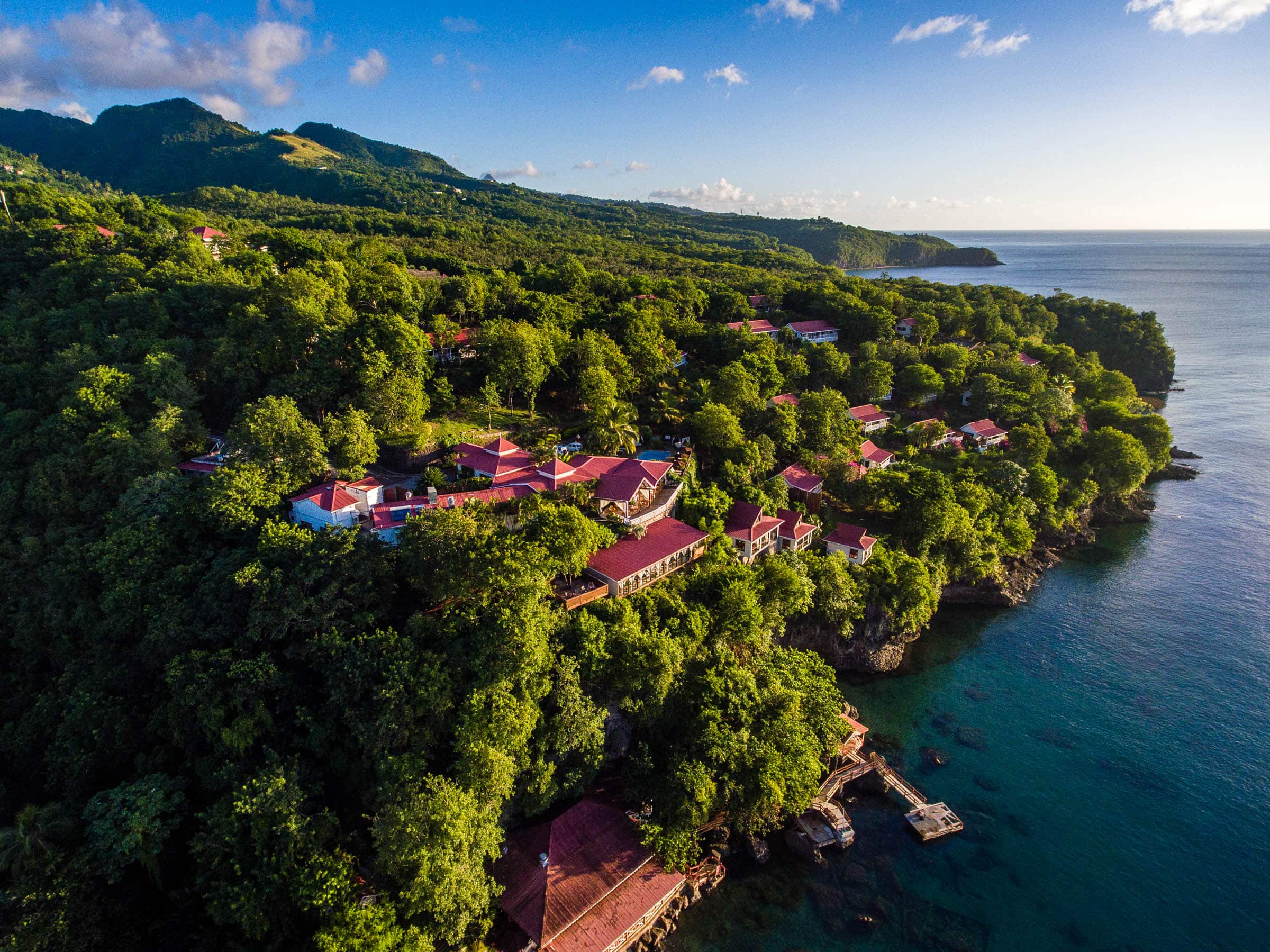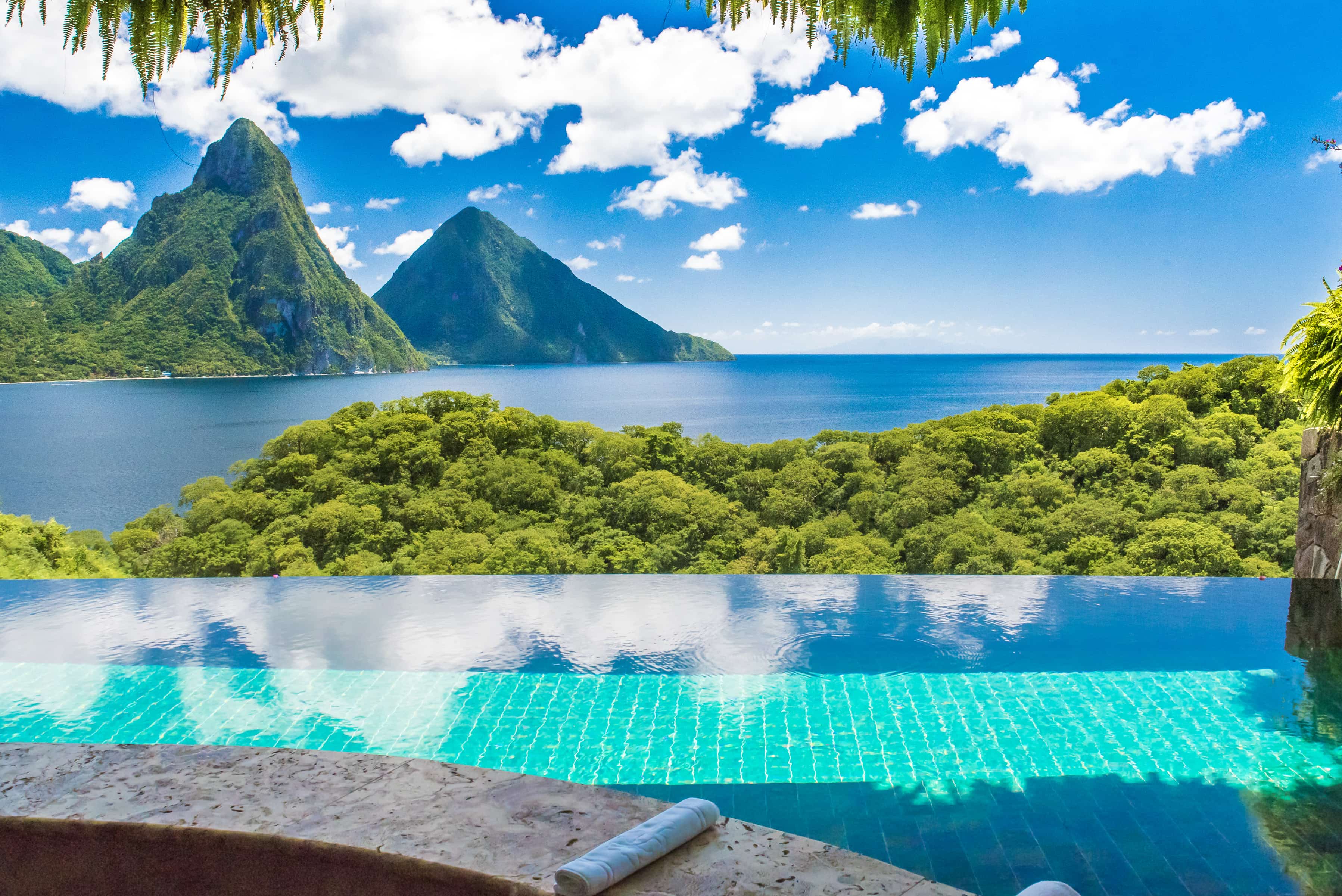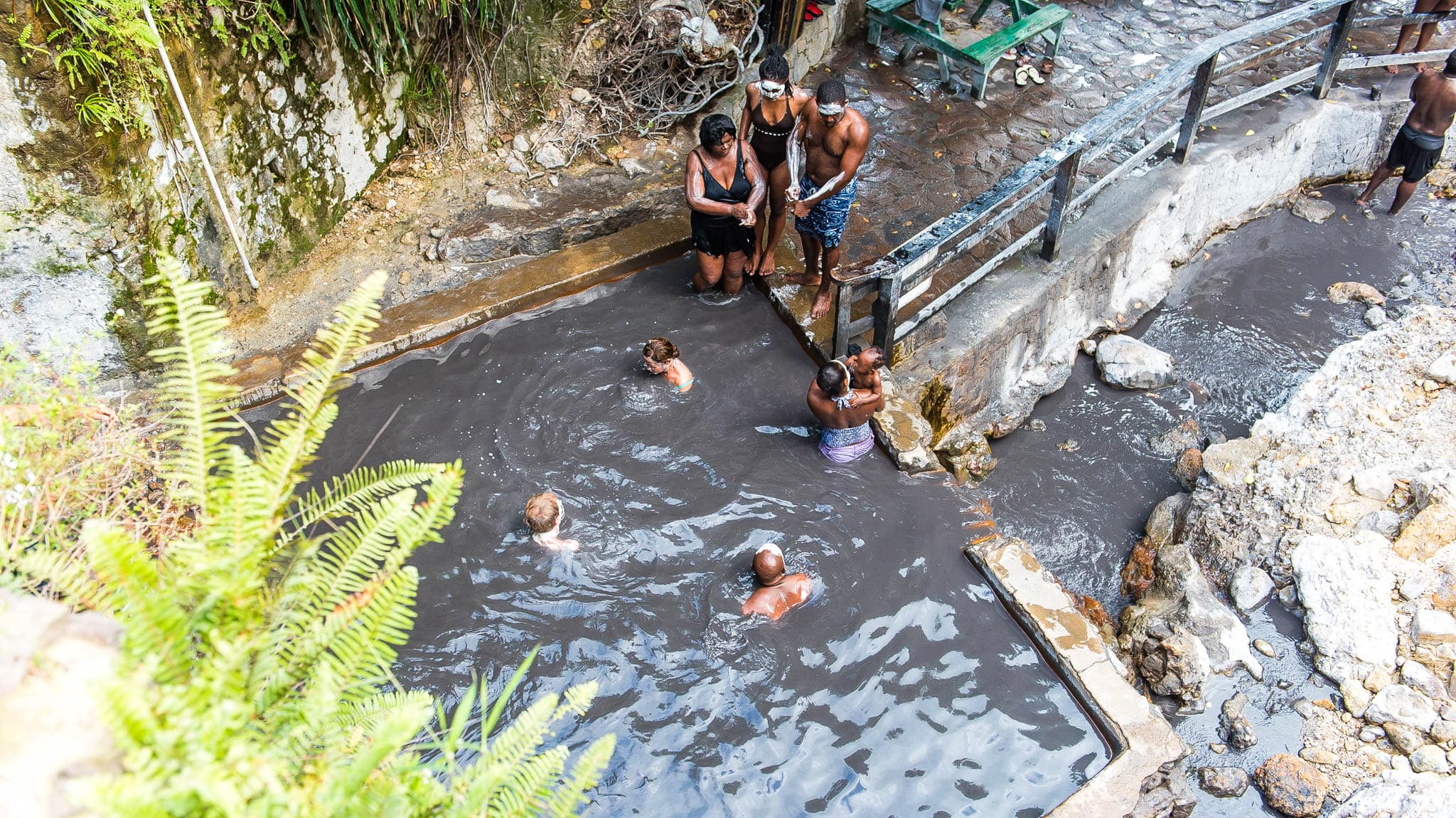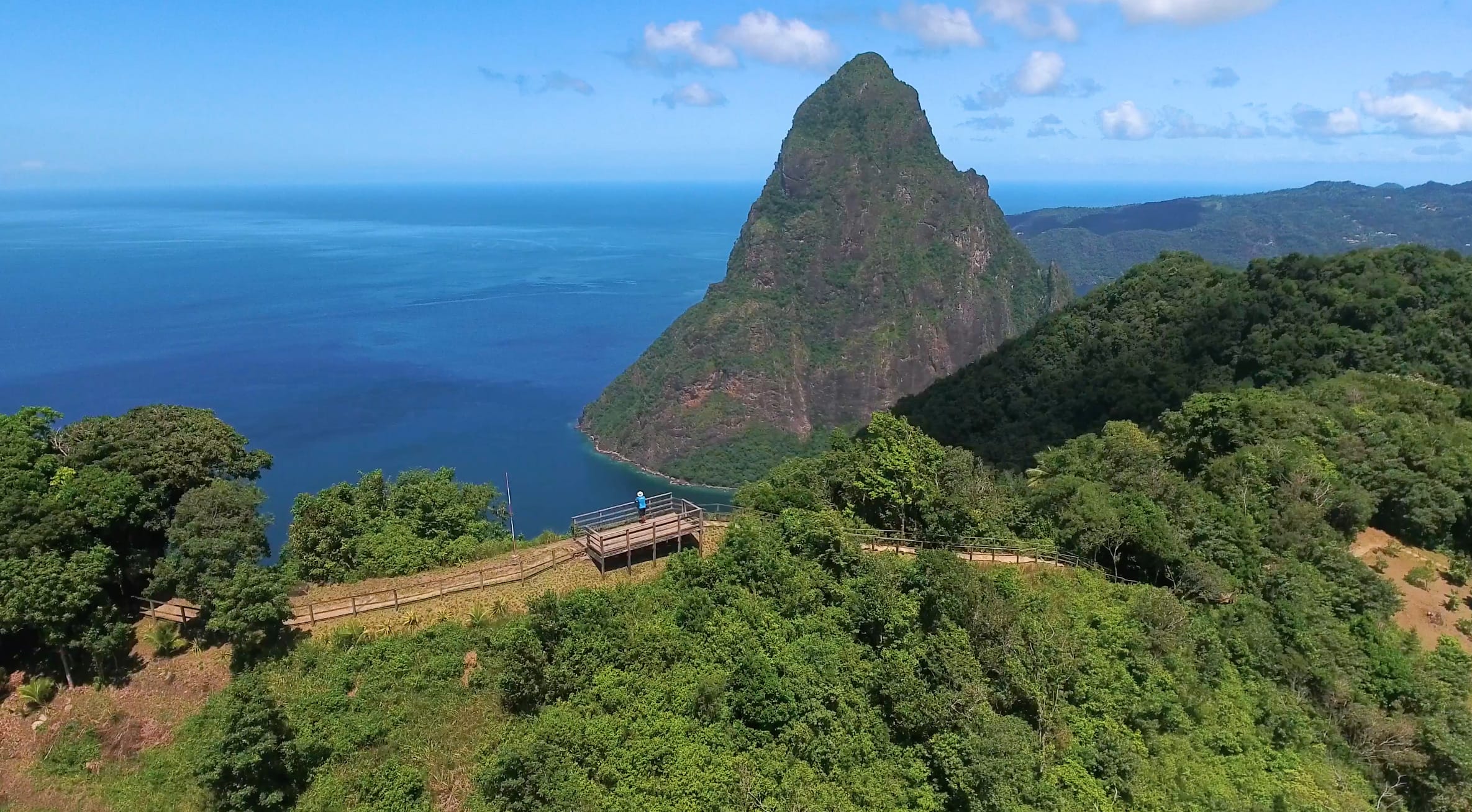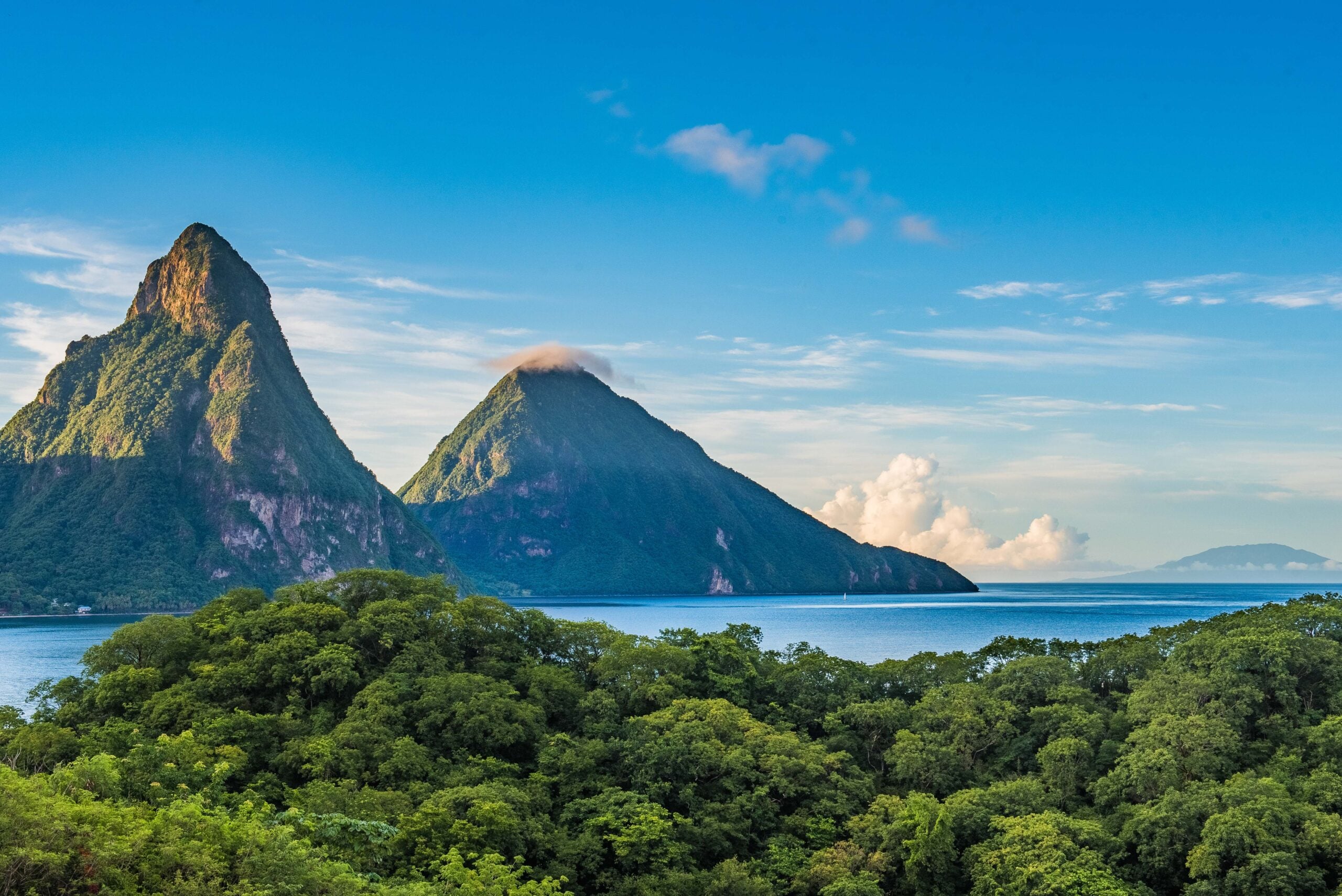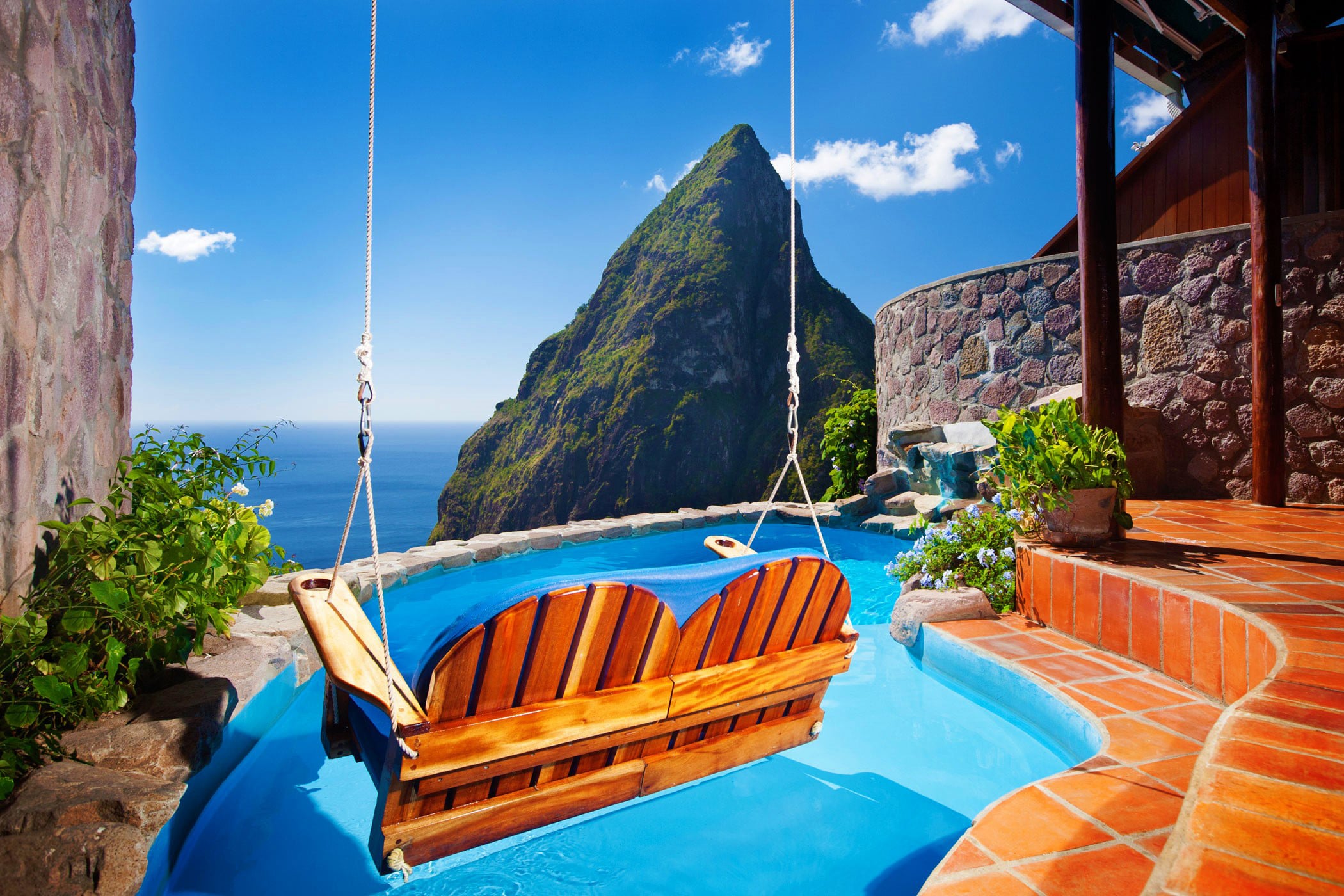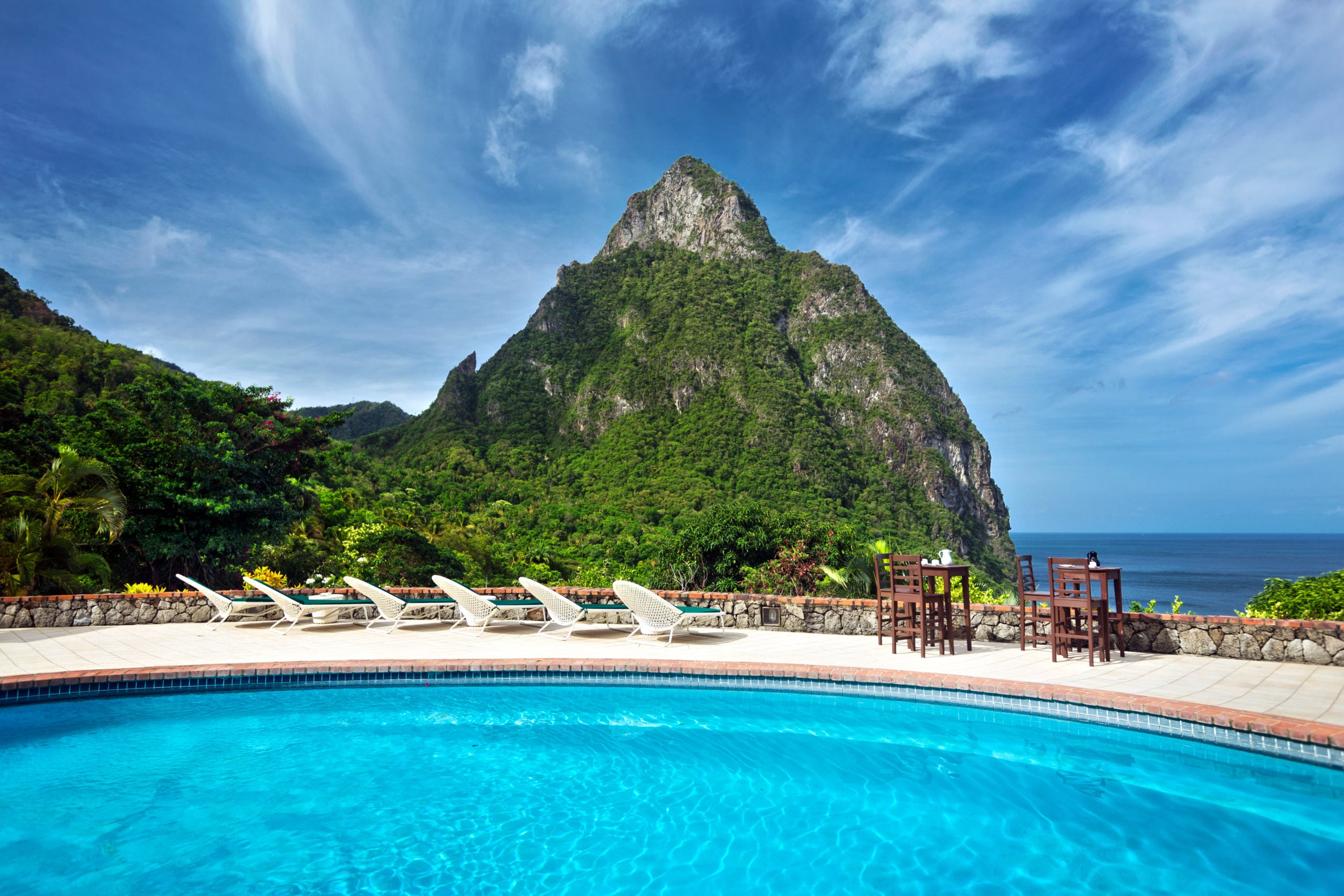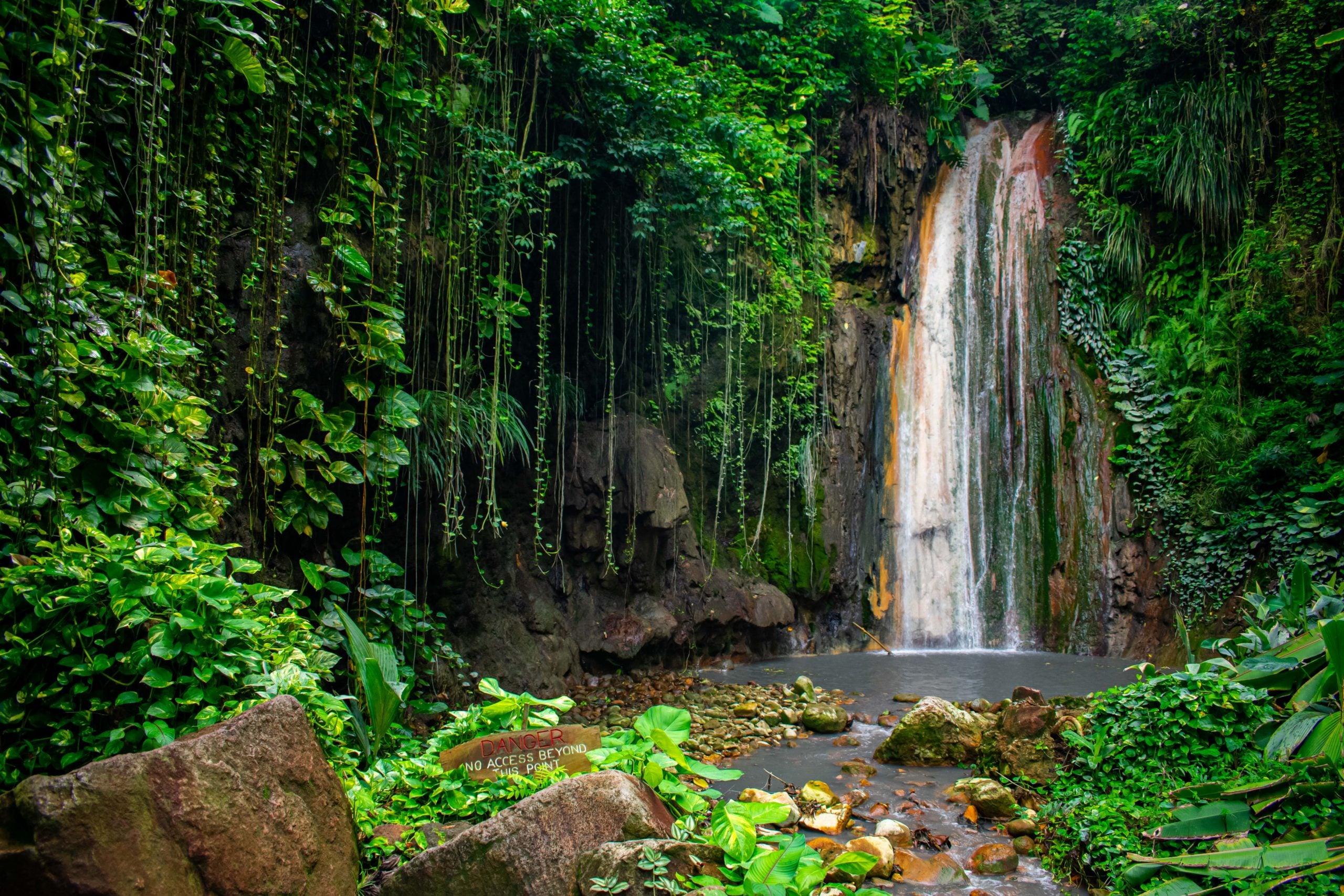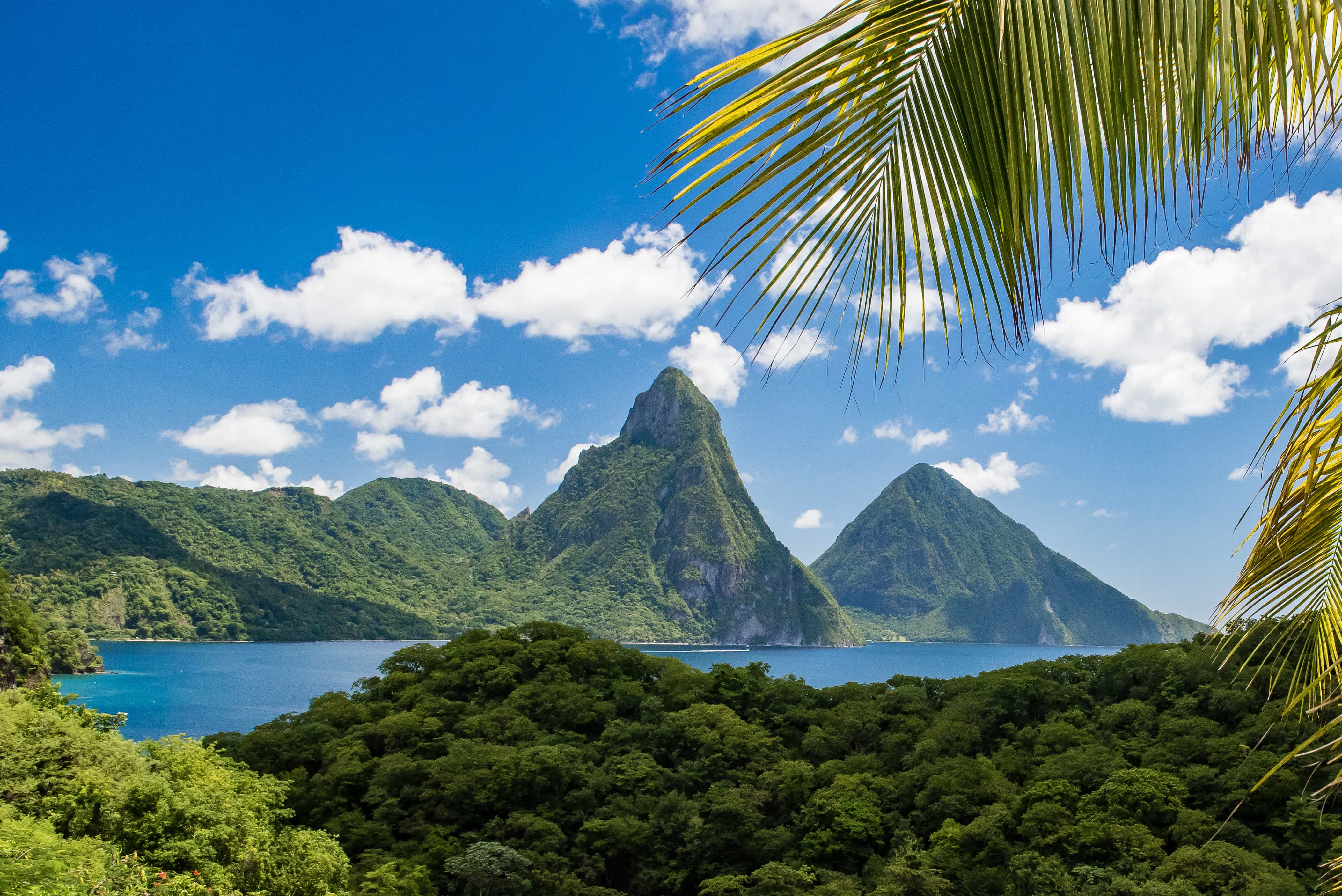
ST. LUCIA, as its marketing propaganda states, is simply beautiful in every way. The island is best-known for its Grand Pitons, a pair of the most awe-inspiring natural wonders anywhere on the planet, though St. Lucia’s legendary natural beauty and eco-adventure options don’t stop there. The Atlantic side of the island is a favorite nesting ground for sea turtles, while the opposite coast abounds with thrilling scuba diving options – Keyhole Pinnacles, Anse Chastanet Reef, Superman’s Flight, and the wreck of the Lesleen M, among them. Hiking opportunities aren’t reserved for the Pitons either. Trails around the interior mountainous rainforest region are lined with exotic, wild orchids and 170+ bird species, including the St. Lucia parrot, the national bird known locally as Jacquot. The highest peak here is the 3,120-foot (950 meters) Mt Gimie, a good 500 feet taller than the highest Piton.
St. Lucia’s culture reflects strong French, African, and English influences, shaped by a history in which the island changed hands between the French and British seven times each during the 17th, 18th, and 19th centuries. The Brits eventually won out in 1814, though French ties remain prevalent in the island’s cuisine, place names, architecture, festival traditions, and Creole language.